



Mumbai and neighbouring districts came to a standstill on Monday as relentless monsoon rain swept through the region, forcing authorities to shut schools and colleges and triggering widespread disruptions across transport and commerce. The India Meteorological Department declared an orange alert, warning of heavy to very heavy rainfall and waterlogging in low-lying areas. The decision to close educational institutions affected hundreds of thousands of students and forced many workplaces to shift to remote operations.
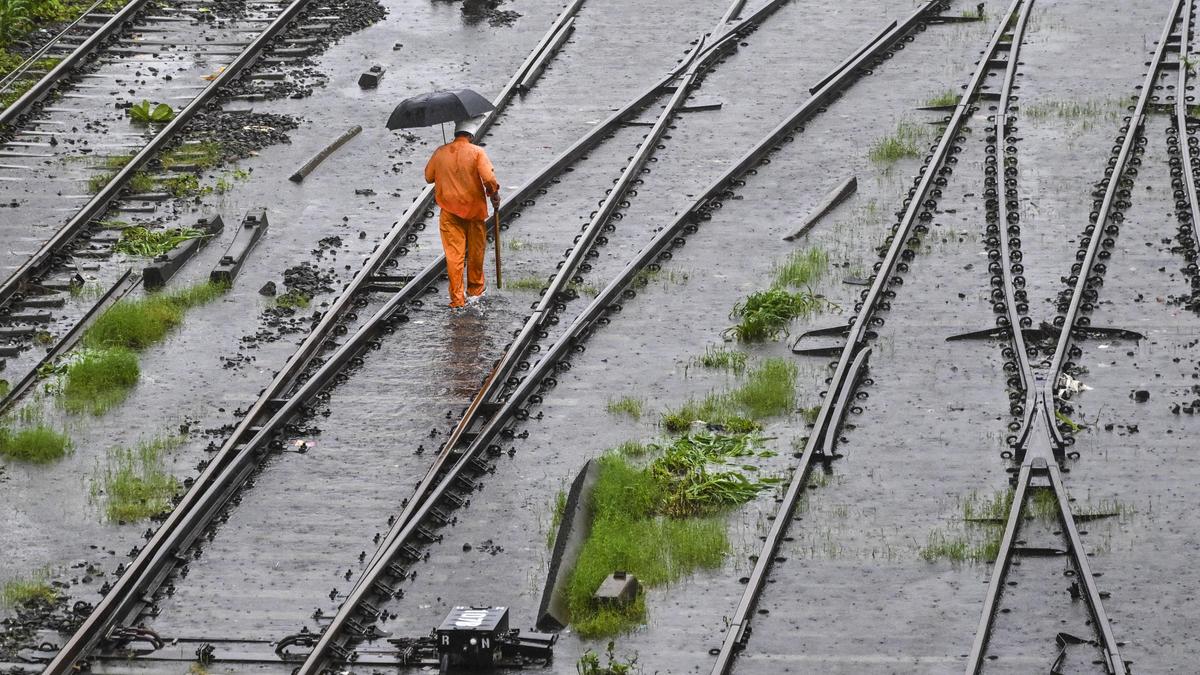
Orange alerts indicate significant weather threats that require precautionary action but do not reach the extreme threshold. For Mumbai, however, even a moderate alert creates major disruption because of the city’s population density, aging infrastructure, and vulnerable drainage systems. Train services, critical to moving millions daily, experienced delays as water accumulated on tracks and platforms. Roads in multiple areas became impassable, with vehicles stranded and commuters waiting hours to reach destinations. The civic authorities worked to manage overflow as drainage systems struggled to handle the volume of water falling continuously.
The core problem with relentless rainfall is the pace at which it falls versus how quickly drainage systems can clear accumulated water. Unlike isolated showers that pass quickly, continuous heavy rain overwhelms pipes and drainage channels, especially in areas with older infrastructure. Low-lying neighbourhoods, informal settlements, and coastal zones face the worst effects because water has limited routes to drain away. Residents in vulnerable areas were advised to move to higher ground, and emergency services remained on standby.
Mumbai experiences monsoon disruptions almost every year between June and September, yet infrastructure improvements remain incremental. The city is home to over 20 million people and serves as India’s financial hub, yet a single day of heavy rain can paralyze transport, commerce, and daily life for millions. Schools close, traffic worsens, some people wade through knee-deep water to reach work, and life gradually returns to normal once the rain eases. This cycle repeats annually, exposing structural gaps between economic importance and preparedness for seasonal weather.
Authorities advised against unnecessary travel and warned people to avoid underpasses and low-lying areas. The orange alert signals that rainfall is expected to continue, meaning disruptions would persist throughout the day and possibly longer depending on weather patterns.
Source: The Hindu