



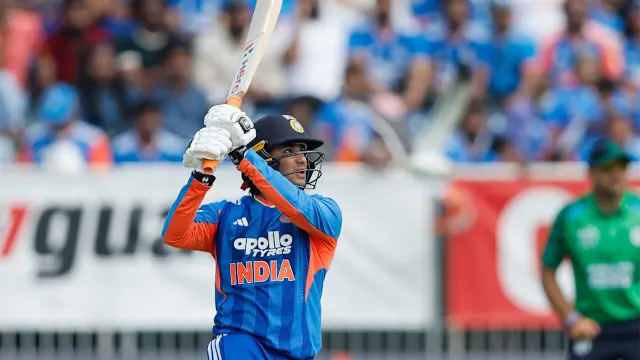
India’s 125-run defeat to England in the third T20I at Trent Bridge was a very heavy loss. Bowled out for just 76 while chasing 202, India registered their biggest defeat in T20I history by runs. It also extended captain Shreyas Iyer’s winless run to five matches and left India trailing 0-2 in the five-match series after an earlier 2-0 defeat in Ireland.
The result has revived an important question:
Has India’s commitment to fearless cricket become too rigid?
The birth of a new identity
India’s transformation in T20 cricket began after the disappointing 2021 T20 World Cup. Under Virat Kohli, the team was criticised for playing conservatively, often prioritising wickets in hand before accelerating late in the innings. The approach failed to deliver results, prompting a complete rethink.
Under Rohit Sharma, India embraced a far more aggressive philosophy. Batters were encouraged to attack from the outset, especially in the Powerplay, with the management accepting early wickets as the price of maintaining a high scoring rate. That philosophy helped India win consecutive T20 World Cups and has continued under head coach Gautam Gambhir.
The debate returns
Recent results, however, have reopened the debate.
India have struggled throughout the tour of Ireland and England, losing the two-match series in Ireland before falling 0-2 behind against England, with one match washed out. In both countries, the batting unit has found it difficult to adapt to conditions offering greater assistance to fast bowlers.
The discussion now is whether the same approach should be followed regardless of conditions.
One school of thought argues that India should not abandon a philosophy that has brought success simply because of a few poor results. Occasional collapses are considered an inevitable consequence of playing high-risk cricket.
The opposing view is that aggression should not come at the expense of adaptability. Overseas conditions often demand patience, better shot selection and calculated risk rather than relentless attacking intent.
Backing the approach
Following the defeat, captain Shreyas Iyer described India’s batting display as “atrocious”, acknowledging the team’s failure to execute its plans.
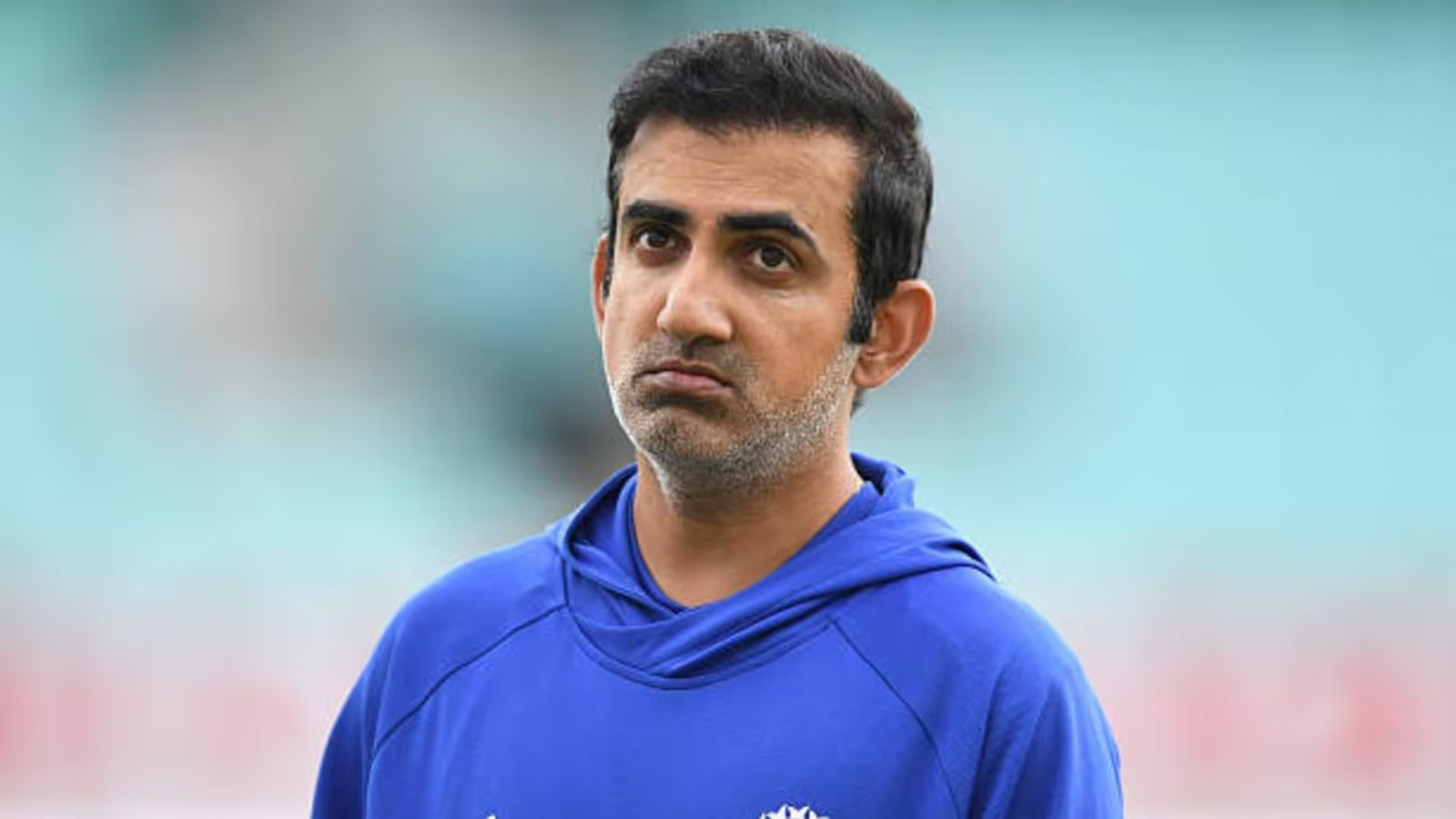
Head coach Gautam Gambhir, however, defended the broader strategy, maintaining that one heavy defeat should not become the benchmark for judging India’s approach.
That leaves India facing a balancing act rather than a complete reset.
Attack with flexibility
The bigger question is not whether India should continue playing fearless cricket. Their recent World Cup success shows the approach can deliver results.
The challenge is whether fearless cricket should also include the flexibility to adapt. Conditions, opposition attacks and match situations differ, and successful T20 teams often combine aggression with game awareness.
With a tour of Zimbabwe coming up and another T20 World Cup cycle underway, India need not abandon the identity they have built. But refining it, knowing when to attack and when to absorb pressure, may prove just as important as attacking without fear.
Source: Deccan Herald