




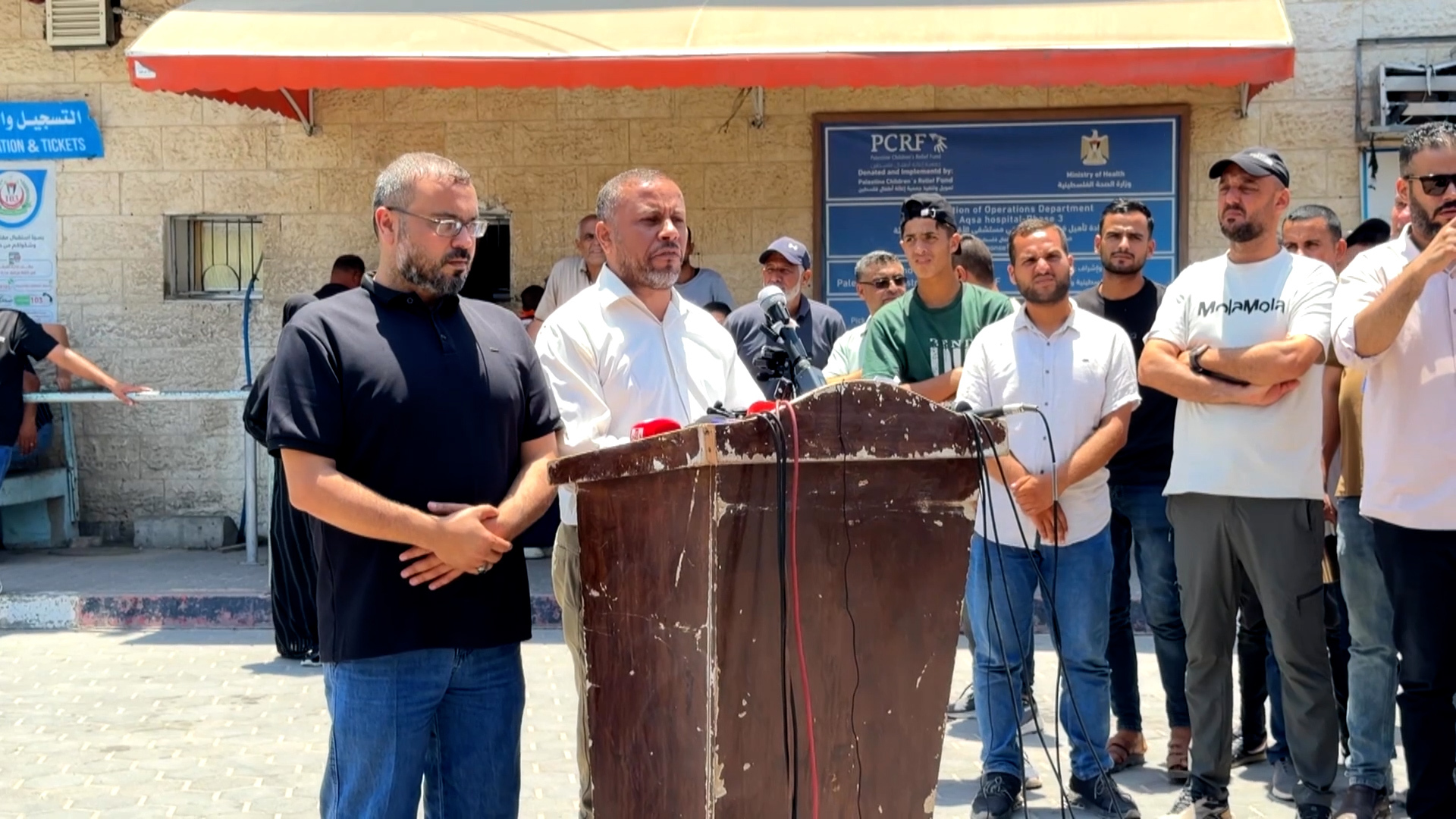
Hamas has announced the dissolution of its civilian governing body in Gaza, ending nearly two decades of direct administrative control over the territory. The organization, which took control of Gaza in 2007, established civilian governance structures to manage public services, education, healthcare, and government employment. The decision to dissolve these structures marks a significant change in how the group operates within Gaza.
The civilian government body has been a core institution in Gaza’s daily life for 20 years. It employed thousands of public sector workers, managed school systems, coordinated with hospitals, and handled basic administrative functions that any territory requires. This civilian apparatus operated separately, at least in theory, from Hamas’s military wing, though both were controlled by the same organization. The dissolution of this body creates immediate uncertainty about service continuity.
The timing and reasons for this decision are complex. Hamas faces multiple pressures: international bodies questioning its legitimacy, competition from other Palestinian factions for political authority, practical challenges of managing a blockaded territory, and the demands of ongoing conflict. By dissolving its civilian administrative role, Hamas may be adapting to these constraints or shifting how it projects power in Gaza. The move could signal a recalibration of priorities, though the organization retains military and political control.
For ordinary Gazans, the dissolution raises urgent practical questions. What happens to government employees and their salaries? Who manages schools and hospitals now? Will essential services continue without interruption? These are not abstract concerns. Thousands of families depend on public sector employment. Students rely on government schools. Patients need functioning hospitals. A sudden withdrawal of administrative capacity could create immediate hardship.
The decision also reflects broader tensions in Palestinian governance. The Palestinian Authority, based in the West Bank, claims legitimate governing authority over Gaza and disputes Hamas’s right to administer the territory. By dissolving its civilian body, Hamas may be altering the terms of that political competition, though it maintains military dominance regardless. This could create openings for reconsidering governance structures or deepen fragmentation depending on what institutions replace the dissolved body.
What comes next will determine whether this is a meaningful shift or primarily a structural reorganization. If the civilian functions transfer smoothly to other bodies with continued service delivery, the impact on ordinary people may be minimal. If there is a gap in administration and services, the consequences could be severe for Gaza’s population. International observers and Palestinian political factions are watching closely to understand the practical implications.
Source: Al Jazeera