




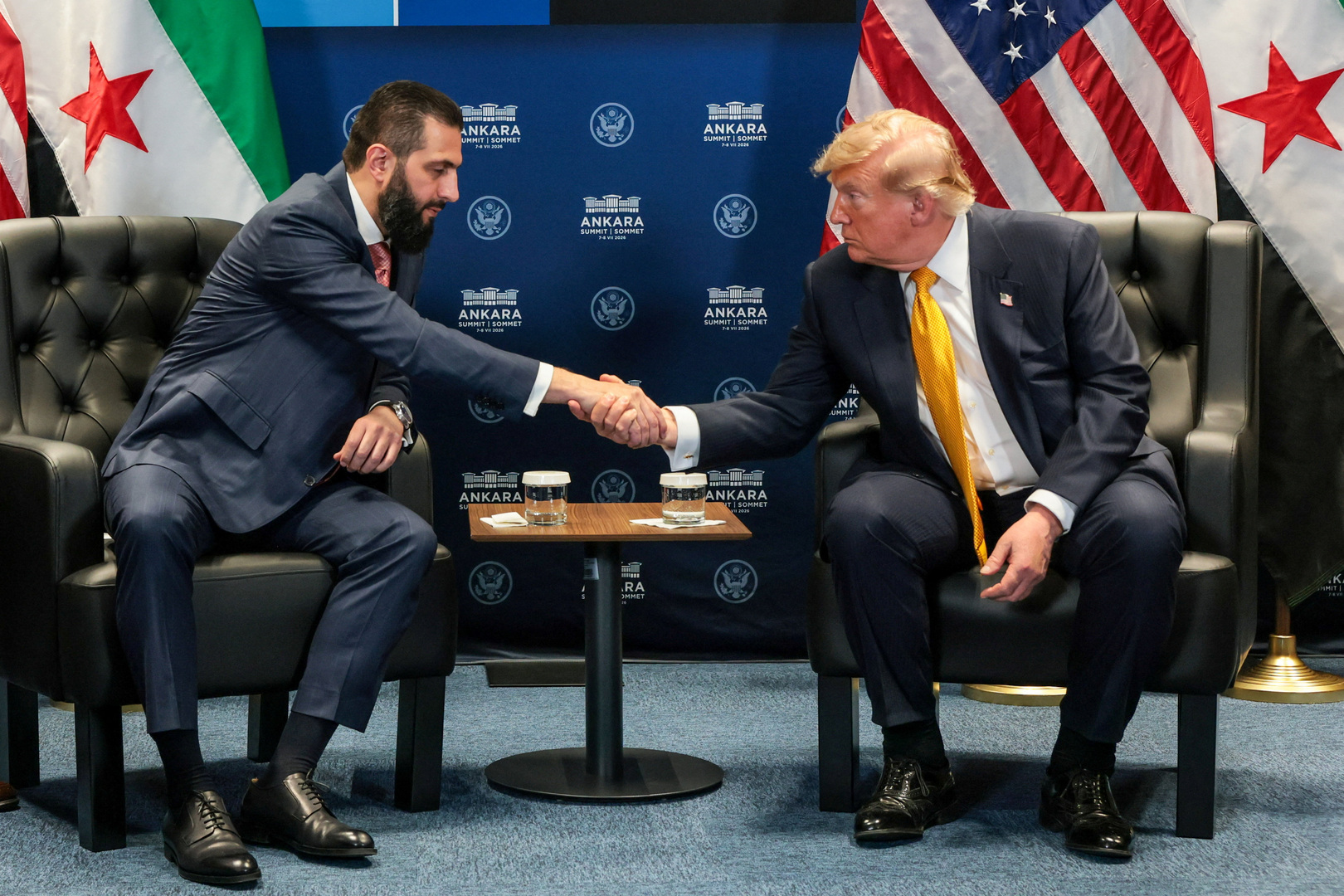
US President Donald Trump announced at the NATO summit that he will remove Syria from the American list of state sponsors of terrorism. This decision reverses a policy framework that has shaped US relations with Syria for over four decades, since the country was first added to the list in 1979.
The US state sponsor of terrorism list is a formal designation with real economic and diplomatic consequences. Countries on the list face automatic economic sanctions, restrictions on military aid, and limitations on financial transactions with American institutions. Syria has remained on this list longer than almost any other nation, making it one of the most persistently sanctioned countries in American foreign policy.
Trump made the announcement during meetings with NATO allies but did not provide detailed public reasoning for the decision. The move comes amid shifting geopolitical dynamics in the Middle East, where military interventions, changing alliances, and evolving power structures have altered the regional landscape significantly over recent years.
Removing a country from the list requires formal procedures. The US State Department must make an official determination, which is then submitted to Congress. Although Congress has a window to object, the president typically retains final authority on such foreign policy decisions. No specific date for the removal has been announced, and the formal process appears to be in its early stages.
Syria’s economy and international standing have been constrained by this designation for decades. The country has simultaneously faced civil war, military interventions, economic collapse, and international isolation. A removal from the terrorism sponsor list could theoretically open certain avenues for economic engagement and international activity, though other sanctions related to different issues would likely remain in effect.
The announcement is likely to generate significant attention among several groups: Middle Eastern allies of the United States who have their own strategic interests in Syria, countries that have opposed the Assad government during the civil war, and international observers tracking shifts in American foreign policy orientation. Different nations view Syria through their own strategic and historical lenses, making this decision meaningful in different ways to different actors.
The timing and reasoning behind this announcement will shape how it is interpreted across the region and internationally. The formal steps that follow in the coming weeks and months will indicate whether this is a preliminary signal of broader policy shifts or a more narrowly focused diplomatic adjustment.