




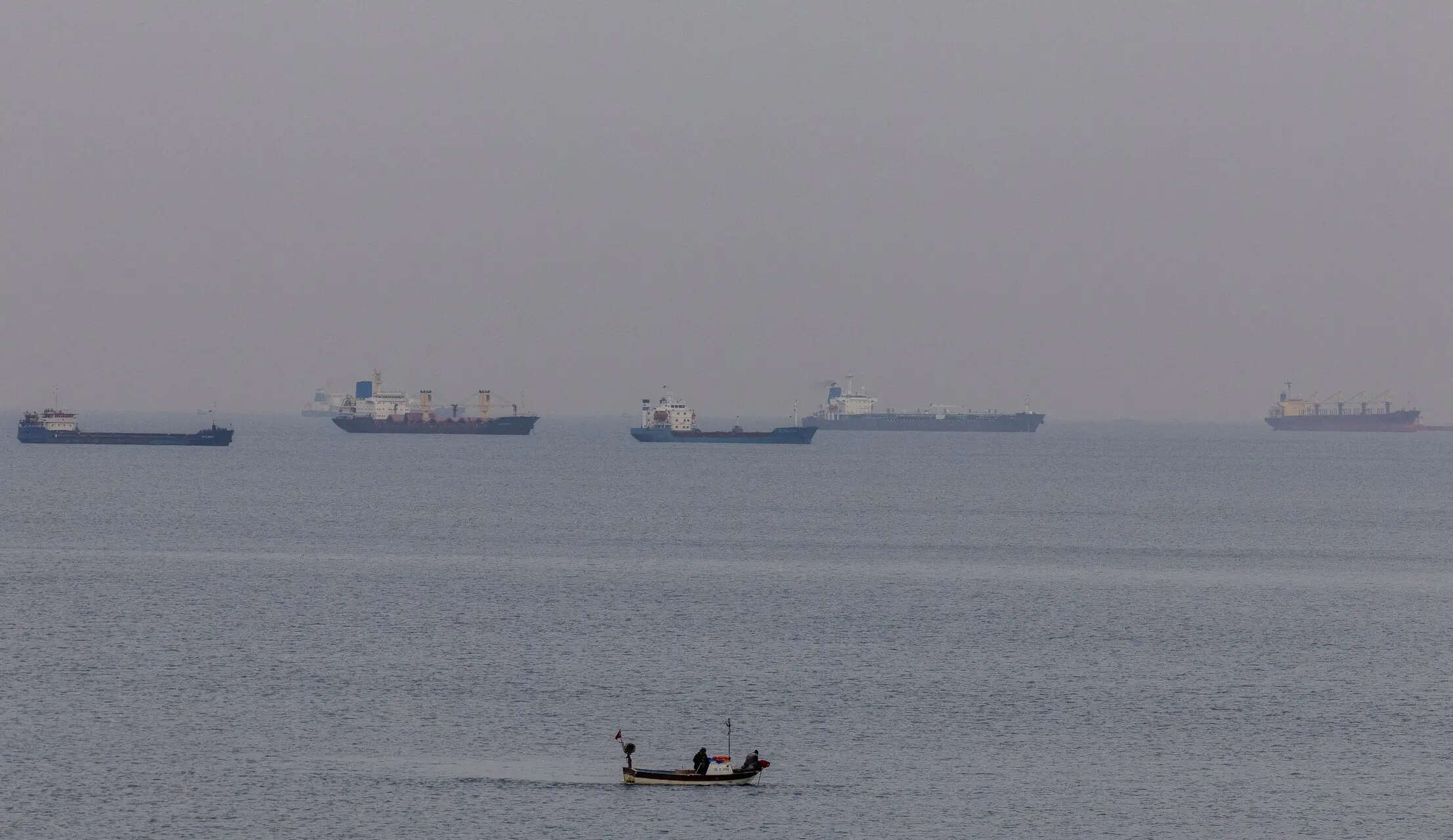
The United States has revoked a 60-day waiver that allowed countries to legally import Iranian crude oil without triggering American sanctions. The decision has created immediate uncertainty for millions of barrels of oil that were purchased during the grace period but have not yet reached their final destination.
The waiver was designed as a transition mechanism, giving importing nations and oil companies time to wind down Iranian purchases before fresh sanctions took full effect. Countries including India, Japan, South Korea, and several others had relied on this period to complete existing contracts with Iranian suppliers without facing US penalties. With the revocation, the landscape has shifted suddenly.
Companies holding Iranian oil now face three uncomfortable options. They can attempt to sell the barrels despite sanctions risk, which exposes them to potential US legal action and financial penalties. They can keep the oil in storage while daily costs accumulate, reducing profit margins as time passes. Or they can try to return the crude to Iranian ports, a logistically complex and expensive process that may not even be possible in all cases.
India faces particular pressure from this decision. Indian refineries have historically been major buyers of Iranian crude, accounting for roughly 10-15 percent of India’s total oil imports in normal periods. Indian companies had been using the 60-day window to import volumes that would have been restricted after the deadline. The revocation means either finding alternative suppliers quickly or managing the legal and financial complications of imported oil that cannot be easily sold.
This move reflects an intensification of US policy toward Iran. Over the past several years, American administrations have progressively tightened sanctions on Iranian oil exports as a strategy to limit Iran’s economic capacity and regional influence. Each new restriction has forced traders, refineries, and governments to adapt their purchasing patterns and supply chains.
The global oil market consequences remain uncertain. If sellers panic and attempt rapid offloading, the market could face a sudden glut of discounted Iranian crude, which would depress prices. If buyers instead refuse delivery and stop taking shipments, supply could tighten unexpectedly. The actual outcome will depend on enforcement strictness, whether the US grants any exemptions for previously signed deals, and how individual countries and companies interpret their legal exposure.
For Indian consumers, the indirect effect may arrive at petrol pumps. Restricted access to Iranian oil forces refineries to source from other suppliers, many of whom charge higher prices. Supply disruptions, even temporary ones, can shift the overall cost structure of fuel in India.
Source: ET Finance