



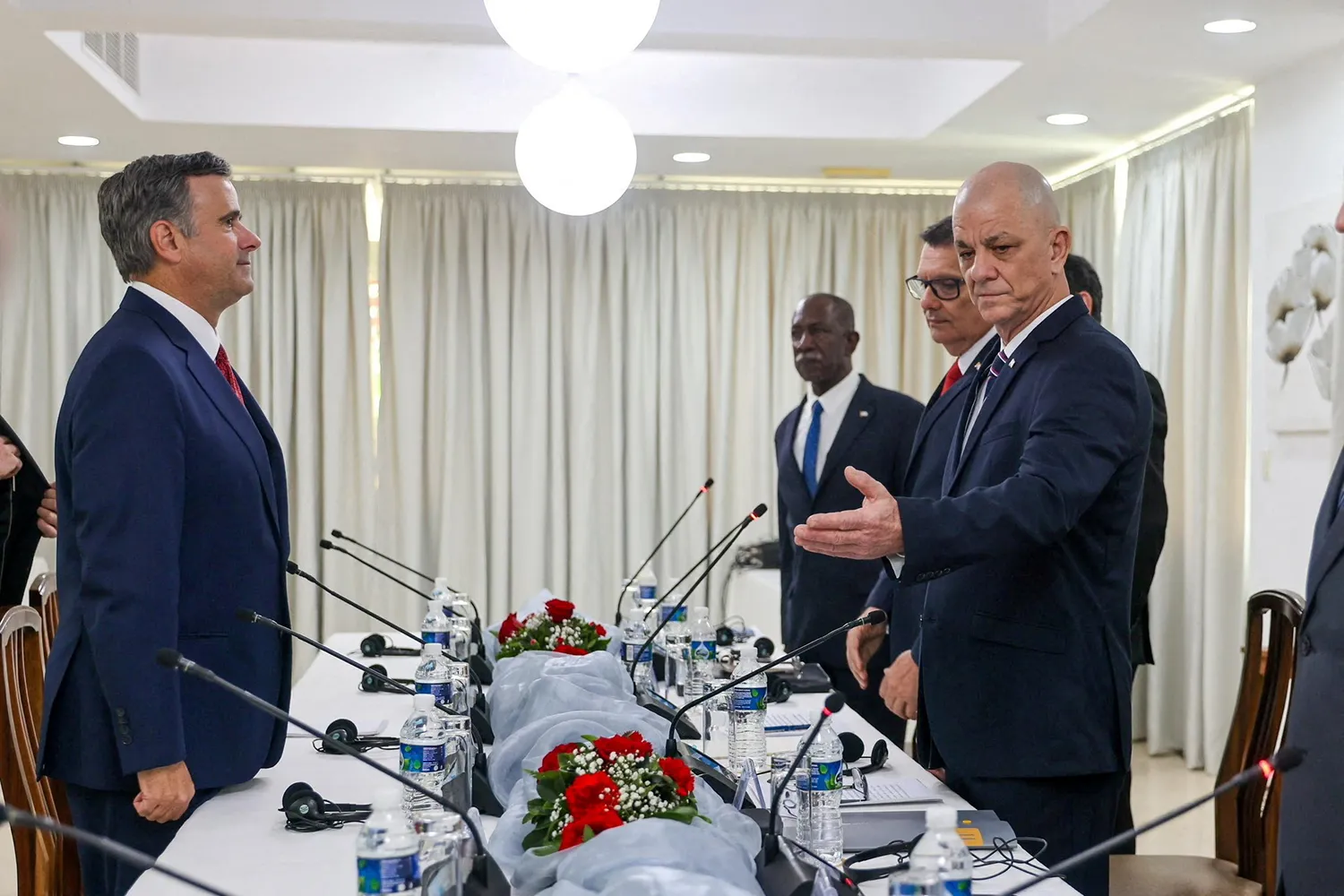
CIA Director John Ratcliffe travelled to Havana in a secret meeting that Foreign Policy has now reported, carrying an offer from the United States government: Washington would help restore electricity to Cuba’s crumbling power grid, in exchange for concessions from the Cuban government. The trip marks one of the most significant direct engagements between American intelligence leadership and Havana in years.
Cuba’s electricity crisis is not a background detail. It is the central pressure point in this story. The island has been experiencing blackouts lasting up to 20 hours a day, a collapse driven by decades of infrastructure neglect, fuel shortages, and the compounding weight of US sanctions. According to Foreign Policy, the power crisis has become so severe that it is fuelling a historic wave of emigration, with Cubans leaving at rates not seen since the Mariel boatlift of 1980.
Ratcliffe’s visit signals that Washington sees the blackouts as leverage. The offer reportedly frames energy assistance not as humanitarian relief but as a transactional opening, tying the prospect of restored power to political or security concessions from the Cuban government. Foreign Policy did not detail the specific terms demanded, but the structure of the offer places the Cuban state in a position where the basic welfare of its population becomes a bargaining chip in diplomatic negotiations.
The timing is deliberate. The Trump administration has maintained and in some areas intensified the sanctions architecture inherited from previous administrations, keeping the Cuban economy under significant external pressure. At the same time, Cuba’s relationship with Russia, which had been providing some energy and financial support, has weakened as Moscow’s own resources are stretched by the war in Ukraine. The island is more isolated economically than it has been in recent memory.
Ratcliffe leading the visit rather than a State Department envoy carries its own weight. Intelligence chiefs conducting diplomatic outreach typically signals a channel that both sides want kept quiet, outside the formal machinery of foreign policy and therefore deniable if it breaks down. Foreign Policy’s reporting brings that channel into public view before any deal has been reached or announced.
The Cuban government’s response to the visit has not been publicly confirmed. Havana has historically resisted what it characterises as American interference in its internal governance, and any agreement that appears to trade sovereignty for electricity risks significant internal political costs for the Cuban leadership. At the same time, a government presiding over 20-hour blackouts faces its own legitimacy pressures from a population that is already leaving in large numbers.
The emigration figures tell part of the story. US Customs and Border Protection recorded over 300,000 Cuban encounters at the southern border in fiscal year 2023, a number that reflects both the severity of conditions on the island and the degree to which ordinary Cubans have lost confidence in any near-term domestic improvement. Whether an energy deal would slow that movement depends entirely on whether the lights actually come back on and stay on, which in turn depends on whether infrastructure investment follows any political agreement.
What Foreign Policy’s reporting establishes is that the United States is now actively using Cuba’s energy collapse as a diplomatic instrument, and that the CIA director carried that instrument personally to Havana. The conversation has started. The terms, and whether any agreement follows, remain unresolved.